
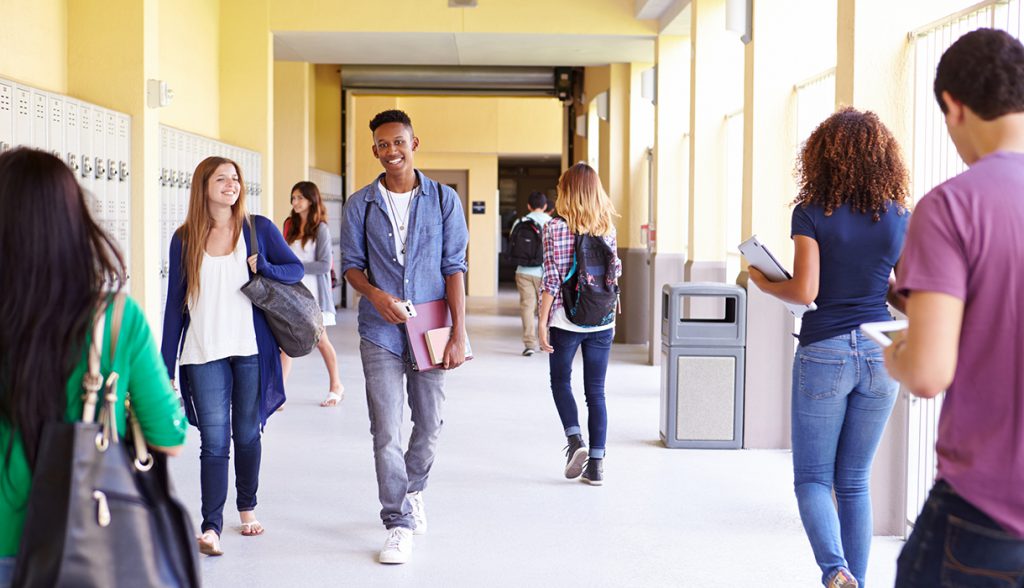

The transition to high school represents one of the most significant milestones in a young person’s life. It is more than just a move to a new building; it is a foundational shift in expectations, autonomy, and social dynamics. For students, the move from the relative comfort and familiarity of middle school to the more demanding, diverse, and fast-paced environment of high school can feel overwhelming. However, with intentional preparation and a proactive mindset, this transition can become an empowering step toward independence rather than a source of stress.
Preparation is not about eliminating all nerves; it is about building a toolkit of strategies that allow a student to navigate new challenges with resilience. By focusing on academic habits, organizational structures, and social-emotional awareness, families can ensure that the transition is a success.
Academic Expectations and Increased Rigor
The most immediate change a student will encounter is the step up in academic rigor. High school courses move faster, require more independent work, and carry more weight in terms of future opportunities like college applications or vocational certifications.
-
Mastering Time Management: In middle school, teachers often provide frequent reminders about upcoming deadlines. In high school, that responsibility shifts entirely to the student. Developing the habit of using a digital or physical planner to track long-term assignments, not just homework, is essential. Break large projects into smaller, manageable tasks to avoid the pressure of last-minute cramming.
-
Developing Active Study Habits: Rereading notes is rarely sufficient for high school level coursework. Students must transition to active learning techniques, such as flashcards, self-quizzing, and explaining complex concepts to others. Understanding how one learns best—whether through visual aids, practice problems, or auditory repetition—is a critical skill that will serve them through their entire academic career.
-
Advocating for Yourself: Teachers in high school typically manage significantly more students than those in middle school. They may not always notice when a student is struggling. Learning to send professional emails, asking for clarification after class, and attending office hours are not just helpful behaviors; they are expected standards of communication.
The Importance of Organizational Systems
Chaos in one’s physical environment often leads to mental clutter. High school students often switch classrooms multiple times a day, meaning they must be able to retrieve the correct materials quickly. A lack of organization is frequently the primary cause of academic anxiety during the first semester.
Students should establish a consistent system for organizing their materials before the first day of school. Whether this involves a color-coded binder system for each subject or a streamlined digital folder structure, the key is consistency. A dedicated space for study at home is equally important. This area should be free from distractions and equipped with the necessary supplies to ensure that every homework session can begin without a search for a pen or a notebook. By externalizing the organizational burden, students free up mental energy for the actual work of learning.
Navigating the Social Landscape
High school social life is more expansive and complex than what students have previously experienced. They will likely be interacting with students from different middle schools, different neighborhoods, and perhaps even different age groups. This expansion can lead to both excitement and insecurity.
-
Finding Your Niche: Extracurricular activities are the most effective way to navigate this new landscape. Whether it is a sports team, a robotics club, a theater production, or a service organization, joining a group provides an immediate social connection based on shared interests. These groups offer a smaller community within the larger high school, making the environment feel more manageable.
-
Managing Peer Pressure: The stakes for social acceptance often feel higher in high school. It is important to have candid conversations about the value of authenticity. Peer pressure is not always overt; it often manifests as subtle influences regarding social media habits, clothing choices, or academic effort. Maintaining strong relationships with old friends and supportive family members provides a crucial anchor when social pressures feel intense.
-
Building Empathy: High school is a time for exposure to diverse perspectives. Encouraging a student to be open-minded and respectful of different viewpoints will make their social transition smoother. A willingness to engage with people outside of one’s immediate friend group is a hallmark of a student who is ready to thrive in a mature environment.
The Role of Health and Well-being
The academic and social pressures of high school can easily lead to a neglect of physical and mental health. Sleep deprivation, in particular, is a common trap for students who are trying to balance a heavier workload with an active social life.
High school students require significant amounts of rest to support their developing brains. A regular sleep schedule is the most effective way to manage stress and maintain cognitive function. Furthermore, balancing screen time is essential. Social media can become a source of constant comparison and anxiety. Encouraging periods of disconnect—where students engage in physical activity, creative hobbies, or face-to-face social interaction—helps them maintain a healthier perspective. When a student prioritizes their well-being, their capacity to handle academic challenges improves drastically.
Embracing the Process of Growth
Finally, it is vital to remember that the transition to high school is a marathon, not a sprint. There will be bad test scores, social misunderstandings, and days where the workload feels insurmountable. These are not signs of failure; they are the natural growing pains of a student learning to operate in a more complex world.
Parents and guardians play a vital role by providing a supportive home base. The goal is to move from a role of direct management to one of mentorship. As the student takes on more responsibility for their education and social life, the parent’s job is to provide guidance, listen without immediate judgment, and help the student reflect on their experiences. By fostering a growth mindset, families can help students view every challenge as an opportunity to build the character and skills they will need long after graduation.
Frequently Asked Questions
Should I visit the high school campus before school starts?
Absolutely. Most high schools offer orientation sessions or summer tours. Walking through the halls, finding your locker, and locating your classrooms before the first day significantly reduces the anxiety of the unknown. Familiarity with the physical space is a great way to build confidence.
How do I handle the transition if most of my middle school friends are going to a different high school?
This is a very common scenario, and while it feels intimidating, it is also a tremendous opportunity for personal growth. It forces you to branch out and meet new people. Remember that most other students are also feeling nervous about making new friends, which makes them more open to connection than you might think.
What should I do if I feel overwhelmed by the homework load in the first few weeks?
Do not wait until you are failing to ask for help. Speak to your teachers immediately. They want you to succeed and can often provide specific advice on how to study for their particular class or manage the workload. Also, check if your school has a peer tutoring center or a study skills workshop.
Is it necessary to participate in school clubs immediately?
You do not need to over-commit in the first week, but aiming to join at least one or two activities within the first semester is highly recommended. It helps you build a community and prevents the high school from feeling like a place where you only go to study and go home.
How do I balance my social life with high school academic demands?
Treat your academics like a job. If you get your most important work done first, you will have more guilt-free time for your social life. Being disciplined during the week allows for more relaxation during the weekends. It is about prioritization, not about giving up your social life.
Should I worry about my high school grades starting from the first day?
It is healthy to care about your grades, but do not let the fear of a single poor grade paralyze you. High school is a long process, and it is a time for learning how to learn. Your cumulative GPA is determined by your performance over four years, so focus on consistent improvement rather than perfection from day one.

