
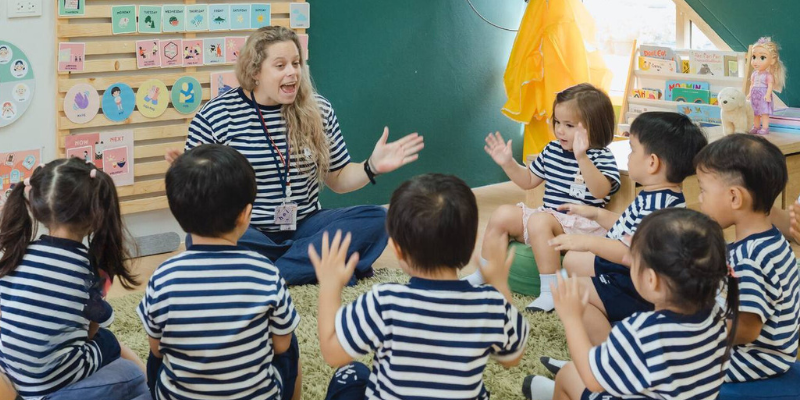

If you’ve ever watched a child completely absorbed in stacking blocks or asking a never-ending list of “why” questions, you’ve seen real learning in action. Curiosity is the heartbeat of early childhood education, especially in environments that encourage kids to explore at their own pace. In a good kindergarten Thailand, curiosity isn’t something that needs to be taught. It’s already there, waiting to be guided in the right direction.
Curiosity drives everything from a child’s first question about how rain falls to their fascination with insects on the playground. When teachers create space for children to investigate freely, learning becomes personal and memorable. Instead of being told what something is, kids figure it out through experience. They pour water, build towers, mix colors, and start making sense of the world in their own way. That’s how real understanding begins.
Learning through Play
Play is often misunderstood as something separate from learning, but in early education, it’s the foundation. Every pretend tea party, every block tower that tumbles, and every drawing of a family is a form of thinking and experimenting. It’s how young children learn problem solving, social skills, and persistence. A classroom filled with playful energy is also filled with opportunities for growth. Teachers who understand this use play to gently introduce structure without taking away imagination.
Building Confidence
When children make discoveries on their own, even small ones, they develop confidence. A child who figures out that mixing red and yellow paint makes orange feels proud, not because someone told them so, but because they saw it happen. Encouragement from teachers and classmates builds on that moment, showing them that mistakes are simply part of the process. This mindset early in life helps shape how they approach challenges later on.
Sense of Belonging
A good early learning environment gives children the feeling that they belong. Classrooms designed with open spaces, cozy corners, and a balance of quiet and activity help kids settle in. Teachers act more like guides than instructors, letting students take the lead when they’re ready. In Thailand, many schools also include natural play areas and outdoor spaces where children can touch, move, and explore. That connection to the environment gives learning a sense of real-world meaning.
The Teacher’s Subtle Role
The best teachers in early childhood education know when to step back. They observe carefully, asking the right question at the right time to extend a child’s curiosity without interrupting it. They don’t rush to give answers but instead encourage children to keep thinking. That gentle balance of guidance and freedom helps children build a natural love for learning that stays with them well into primary school and beyond.
In classrooms that celebrate curiosity, education feels less like instruction and more like discovery. Every question becomes an adventure, and every small discovery feels like a big win. That’s what early learning should be about.

